Black History Faux Embroidery Crochet Review
As a professional embroidery designer who has spent years refining machine embroidery design for small businesses, I approach every new asset with a critical eye. My goal is always to determine if a graphic can translate from a digital screen into a high-quality, durable physical product that elevates a brand. Today, I am reviewing the Black History Faux Embroidery Crochet design. This piece falls under the category of T-Shirt Designs and Graphics, but its potential extends far beyond simple apparel decoration. It presents a unique opportunity for boutique owners, café managers, and crafters looking to infuse their merchandise with cultural depth and a handmade aesthetic.
First Impressions: Aesthetic and Brand Alignment
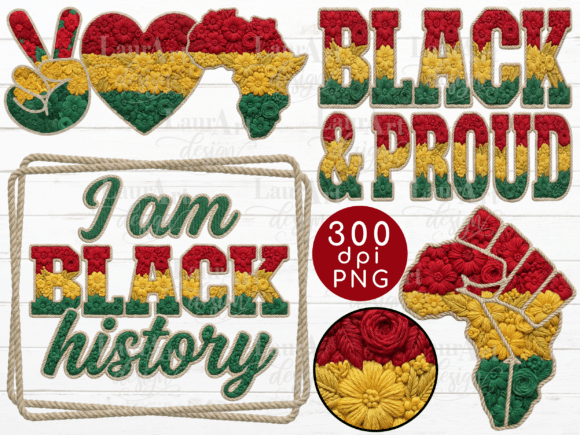
When I first opened the preview of Black History Faux Embroidery Crochet, the immediate impression was one of warmth and texture. Unlike standard vector graphics that often feel flat or overly corporate, this design mimics the intricate loops and knots of real crochet work. This faux embroidery style creates a visual language that feels rustic yet premium. For small business merch, this is a significant advantage. It suggests a level of care and craftsmanship that customers associate with artisanal brands.
The design balances boldness with elegance. It does not shout; instead, it invites the viewer closer to appreciate the detail. In the context of brand identity, this is crucial. If you are running a handmade shop, a bakery, or a creative studio, this graphic aligns perfectly with a narrative of authenticity. It signals that your business values tradition and artistry. However, because it is a digital file intended to simulate a physical craft, the execution in production must be flawless to maintain that illusion of quality.
Evaluating Real-World Business Applications
The versatility of Black History Faux Embroidery Crochet makes it a strong contender for various commercial embroidery projects. Let's break down how this specific design performs across different merchandise categories.
Embroidered Patches and Apparel Accents
One of the most effective uses for this design is as an embroidered patch. The intricate details of the faux crochet pattern hold up well when digitized for a patch application. Imagine placing this on the chest of a staff uniform or the back pocket of a denim jacket. It serves as a subtle badge of honor and cultural pride. For custom apparel, the design works exceptionally well as a sleeve detail or a cap embroidery accent. On a baseball cap, the curved surface requires careful digitization, but the organic nature of the crochet motif helps mask any slight distortions that might occur on a rounded brim.
Tote Bags and Apron Embroidery
For businesses like florists, boutiques, or cafes, the tote bag design market is booming. Placing Black History Faux Embroidery Crochet on a canvas tote adds a layer of sophistication that printed graphics often lack. Similarly, apron embroidery using this design can transform a standard kitchen or workshop apron into a branded statement piece. The textured look of the design contrasts beautifully against the smooth weave of a cotton apron, creating a tactile experience for the customer.
Event Merchandise and Customer Gifts
This design is also ideal for event merch, such as commemorative items for Black History Month celebrations or community gatherings. As a handmade product add-on, it can be used on product packaging accents or included as a gift tag design. When paired with other design assets, it creates a cohesive collection that tells a story. Whether it is a limited-run batch of t-shirts or a set of branded notebooks, the visual consistency provided by this graphic strengthens customer engagement.
Critical Considerations for Production
While the potential is high, there are specific areas where Black History Faux Embroidery Crochet requires careful handling. As a designer, I advise my clients to avoid certain pitfalls to ensure the finished product meets professional standards.
- Stitch Density and Detail: The faux crochet effect relies on fine lines and tight spacing. If the stitch density is too high without proper backing, the fabric may pucker. Conversely, if it is too low, the "crochet" illusion will fail. You must review the thread colors and spacing carefully before committing to a large run.
- Size Limitations: Do not attempt to use this design at very small patch sizes. Tiny lettering or minute details within the crochet pattern can become indistinguishable when scaled down. Always test the design at the intended size to ensure clarity.
- Fabric Texture Compatibility: While the design looks great on smooth fabrics, applying it to highly textured materials like heavy fleece or thick wool can obscure the details. The interplay between the design and the fabric texture is key to maintaining the premium look.
- Cap Fronts and Curved Surfaces: Using this on a cap front requires precise stabilizer placement. The curvature can stretch the design, potentially breaking the flow of the crochet pattern. A cap embroidery specialist should adjust the digitizing to account for this.
Impact on Brand Trust and Professionalism
Using a culturally significant design like Black History Faux Embroidery Crochet is not just about aesthetics; it is about building trust. When a small business owner chooses a design that honors heritage with such care, it resonates with customers who value inclusivity and representation. This enhances product value and fosters a deeper connection with the audience.
However, professionalism is paramount. A poorly executed embroidery job can damage a brand's reputation more than no branding at all. By ensuring high-quality digitizing, appropriate hoop size selection, and the use of the correct stabilizer, you demonstrate respect for both the design and the customer. The visual consistency across your small business merch line reinforces your brand's reliability.
Practical Designer Notes for Implementation
Before you purchase or utilize the Black History Faux Embroidery Crochet file for commercial purposes, follow these practical steps to ensure success:
- Test in Black and White: Before selecting vibrant thread colors, run a test in monochrome to check the contrast and visibility of the stitch paths.
- Verify Licensing: Remember, this is a Digital Item. The terms state: "Kind reminder When used on physical products, please watermark the design. Digital resale is not allowed." Ensure you adhere to these guidelines. You cannot resell the digital embroidery file itself, only the physical goods created with it.
- Create a Mockup: Always generate a printable mockup for client approval. Show the design on a shirt, hat, or bag to visualize the scale and impact.
- Inspect Spacing: Check the spacing around the design elements. Tight spacing can lead to stitching errors, while too much space can make the design look disconnected.
- Compare Assets: Place this design beside your other design assets to ensure it fits your overall visual theme without clashing.
- Confirm Commercial Terms: Double-check that your license allows for the specific volume of commercial embroidery you plan to produce.
Final Verdict
In conclusion, Black History Faux Embroidery Crochet is a powerful tool for designers and business owners alike. Its ability to mimic the charm of hand-crafted crochet while functioning as a scalable embroidery file makes it a standout choice for T-Shirt Designs and Graphics. When used correctly, it adds a layer of sophistication and cultural richness to custom apparel and promotional items. By paying attention to technical details like stabilizer use, stitch density, and licensing, you can turn this digital asset into a tangible symbol of quality and pride for your brand. Whether for a local café, a global boutique, or a personal Etsy shop, this design offers a meaningful way to connect with your community through thoughtful, well-executed merchandise.