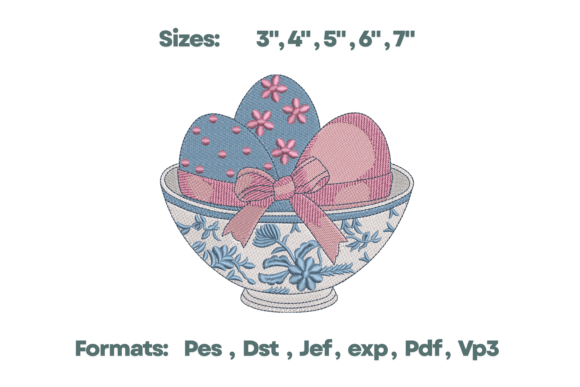
Easter Eggs Chinoiserie Bowl Embroidery Review
As an experienced embroidery designer preparing for the upcoming weekend craft fair season, I am constantly evaluating new digital assets to see which ones will translate into bestsellers. Today, I am putting Easter Eggs Chinoiserie Bowl Embroidery under the microscope. The goal is simple: determine if this specific machine embroidery design can elevate a standard handmade product into a premium craft fair item that stops shoppers in their tracks. With the Easter season approaching, the market is flooded with bunnies and chicks, so finding a design that offers a touch of classic elegance while remaining festive is a strategic move for any boutique maker.
First Impressions: Elegance Meets Festivity
When I first opened the preview of Easter Eggs Chinoiserie Bowl Embroidery, my immediate reaction was one of sophisticated surprise. Unlike typical seasonal patterns that lean heavily on bright neons or cartoonish motifs, this design captures the refined beauty of blue-and-white porcelain aesthetics. It feels less like a novelty and more like a piece of decorative art. For an Etsy seller or a small shop owner, this distinction is crucial. The design strikes a balance between being festive enough for the holiday and timeless enough to remain relevant in a home decor collection long after April 30th.
The visual weight of the pattern suggests it is neither too minimal nor overly cluttered. It has a "premium" feel that justifies a higher price point for finished goods. If you are looking to differentiate your booth from competitors selling mass-produced items, this embroidery file offers a unique selling proposition. It appeals to customers who appreciate traditional craftsmanship and high-end aesthetics, making it a strong contender for upscale handmade products.
Product Application: Where Does It Shine?
To truly understand the value of Easter Eggs Chinoiserie Bowl Embroidery, we must visualize it on actual merchandise. In my experience, certain designs have a natural affinity for specific substrates. Here is how this particular machine embroidery design performs across various craft fair staples:
- Tea Towel Embroidery: This is arguably the strongest application. The blue-and-white motif pairs perfectly with natural linen or white cotton tea towels. The fabric texture of a kitchen towel complements the intricate details of the bowl pattern, creating a cohesive look that screams "farmhouse chic" or "modern cottage."
- Tote Bag Design: A sturdy canvas tote bag serves as an excellent canvas for this pattern. Because the design is contained within a bowl shape, it works beautifully as a central focal point on the front of a bag. It transforms a utilitarian item into a stylish accessory for grocery shopping or carrying craft supplies.
- Apron Embroidery: Placing this design on the bib of a linen apron adds a professional yet whimsical touch. It elevates the garment from a simple kitchen tool to a statement piece for a baker or hostess.
- Pillow Covers and Home Decor: For those focusing on home goods, this pattern fits seamlessly onto square pillow covers. The symmetry of the bowl design ensures it looks balanced even when viewed from a distance at a busy market table.
- Embroidered Patches: While possible, patches might be tricky due to the detail density. However, if digitized correctly, they could serve as a unique addition to denim jackets or felt bags, offering a vintage vibe.
Production Practicalities for the Maker
Before committing to batch production for a craft fair, I always assess the technical feasibility of a digital embroidery file. Easter Eggs Chinoiserie Bowl Embroidery presents some specific considerations that every commercial embroidery business owner should note.
Stitch Density and Detail
The description highlights "meticulously digitized" work, but intricate chinoiserie patterns often contain dense stitch areas. When producing a large run of products, you must verify the stitch density. If the design is too dense, it can cause puckering on lighter fabrics like tea towels or thin tote bags. Always test the design on scrap fabric first. Check thread contrast to ensure the blue shades stand out against your chosen background without bleeding together. If the pattern includes tiny details, such as fine floral lines on the eggs, these may lose clarity if the hoop size is reduced too much.
Fabric Texture and Stabilizer Use
Texture plays a massive role in the final appearance. On a thick, textured towel, the stitches need to sit firmly. Using the right stabilizer is non-negotiable here. A cutaway stabilizer might be necessary for durable items like caps or heavy canvas totes, while a tear-away could suffice for flat linens. Neglecting proper stabilization can ruin the elegant lines of the bowl pattern, turning a premium product into a messy one.
Scalability and Hoop Size
One of the advantages of this design is its potential versatility. It can likely function as a small accent on a corner of a napkin or a large focal design on a market bag. However, do not assume it scales down well. If you attempt to shrink the design for a small pouch or a cap, the delicate porcelain details may become indistinguishable blobs of thread. Always confirm the recommended hoop size before purchasing the file to ensure it fits your intended product dimensions.
Visual Appeal and Customer Engagement
In the competitive environment of a craft fair, visual appeal drives sales. Easter Eggs Chinoiserie Bowl Embroidery excels at capturing attention because it breaks the mold of expected Easter imagery. While other booths scream "spring," yours whispers "refinement." This difference in tone attracts a different demographic—buyers looking for gifts that feel thoughtful and curated rather than generic.
For online sellers, the design photographs exceptionally well. The contrast between the blue threads and light backgrounds creates a crisp image that pops in printable mockups and Etsy listings. High-quality photos of the finished product are essential; they communicate the handmade quality and the precision of the stitching. When a customer sees the depth and texture of the embroidery in a photo, the perceived value of the product increases significantly.
Strategic Advice for Small Shop Owners
If you decide to integrate this machine embroidery design into your inventory, follow these steps to maximize success:
- Create Real Mockups: Do not rely solely on digital previews. Embroider one sample on each type of fabric you plan to use (linen, cotton, canvas). This allows you to check for puckering, thread tension issues, and color accuracy.
- Verify Licensing: Before listing any finished product, confirm the commercial licensing terms of the digital embroidery file. Ensure you are permitted to sell items made with this specific design asset.
- Batch Production Strategy: Since the design is elegant and timeless, consider producing a limited run of tea towels and totes now for Easter, then marketing them again later as general spring or summer decor. This reduces waste and extends the life of your inventory.
- Booth Display: Arrange your samples to highlight the texture. Stack embroidered tea towels or hang tote bags where the light catches the raised stitching. This tactile element draws customers closer to inspect the workmanship.
In conclusion, Easter Eggs Chinoiserie Bowl Embroidery is a standout choice for creative entrepreneurs seeking to add sophistication to their seasonal offerings. By carefully managing production variables like stabilizer choice and fabric selection, you can turn this digital file into a high-value, best-selling craft fair product. It represents a perfect blend of holiday spirit and enduring style, ensuring your booth stands out in a sea of seasonal clutter.