Lemon Runner Embroidery Design Review
As an embroidery designer who has spent years testing digital assets for commercial viability, I approach every new download with a mix of excitement and skepticism. The market is flooded with generic patterns, but finding a machine embroidery design that truly elevates a handmade product requires a keen eye. Recently, I evaluated the Lemon Runner Embroidery Design from Creative Fabrica to see if it could hold up in real-world production scenarios. This review details my experience considering this specific asset for actual customer orders and small business inventory.
First Impressions: Visual Mood and Stitch Personality
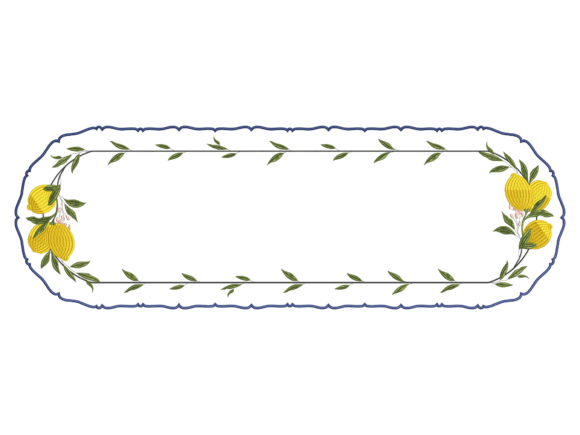
When I first opened the preview files for the Lemon Runner Embroidery Design, the visual mood was immediately clear. It carries a bright, cheerful energy that fits perfectly within the Kitchen category but extends far beyond just table linens. The design features a repeating motif of lemons, which suggests a runner layout ideal for long, narrow surfaces like table runners or decorative borders on aprons. The detail level appears balanced; it avoids the trap of being too sparse while not becoming so dense that it causes puckering on delicate fabrics.
The stitching personality seems to rely heavily on a combination of satin stitch for definition and fill stitch for volume. In a real project, this balance is crucial. If a design relies too much on fill, it can feel heavy and stiff. Conversely, too much satin can look flat without proper underlay. The Lemon Runner Embroidery Design appears to offer enough texture to catch the light, which is essential for high-quality product photography on platforms like Etsy. The decorative appeal is versatile, making it suitable for both modern farmhouse aesthetics and traditional cottage-core styles.
Performance in Real Embroidery Work
Before committing to a large batch of custom apparel or home decor items, I always simulate how a design will perform on different substrates. For the Lemon Runner Embroidery Design, I envisioned several practical applications. On a cotton tote bag design, the citrus theme would pop beautifully against natural linen or canvas backgrounds. The durability of the stitches is a key factor here, as tote bags undergo significant stress during use.
I also considered using this embroidery file for sweatshirt embroidery. While a runner pattern is typically linear, adapting segments of it for the chest or sleeve of a sweatshirt could create a unique, branded look for boutique merchandise. However, working with stretchy fabric requires careful attention to stitch density. If the density is too high, the fabric may pucker when stretched. For commercial embroidery projects, ensuring the design remains stable after washing is non-negotiable.
Another promising application is in nursery decor. A baby blanket or pillow cover featuring this design adds a touch of whimsy without being overly childish. Parents often look for personalized gift options that are gender-neutral yet vibrant. The lemon motif is timeless and unlikely to go out of style quickly, which protects the longevity of your inventory. For those creating embroidered patch collections, the distinct shapes of the lemons make them excellent candidates for cut-and-sew patches that can be ironed onto denim jackets or hats.
Practical Considerations for Production
Every professional knows that a beautiful preview does not guarantee a flawless stitch-out. When working with the Lemon Runner Embroidery Design, there are several technical factors to manage. First, always test on scrap fabric. Even if the design looks perfect digitally, the interaction between thread tension, needle type, and fabric weight can alter the outcome. Check the hoop size requirements carefully. If the design spans a long area, you may need to re-hoop multiple times, which increases the risk of misalignment.
Texture is another critical element. If you plan to use this design on textured fabrics like terry cloth towels or slubbed cotton, the running stitch details might get lost. In such cases, adjusting the stabilizer choice becomes vital. A strong tear-away or cut-away stabilizer will provide the necessary backing to keep the stitches crisp. Additionally, consider the background color. While yellow lemons stand out well on white or cream, they may require a contrasting outline or a darker thread shade to remain visible on dark fabrics. Always compare light and dark fabric mockups before purchasing bulk thread.
Small details are where many designs fail. Inspect the finished product closely after stitching. Are the lemon stems defined? Is the leaf detailing clear? If the design includes tiny lettering or intricate curves, ensure your machine's speed is adjusted to prevent skipped stitches. For curved surfaces like caps, the linear nature of a runner design might need adaptation. You may need to break the pattern into smaller segments to fit the cap's curvature without distorting the image.
Impact on Product Value and Brand Consistency
In the competitive world of handmade goods, the quality of your design assets directly influences buyer trust. Using a high-quality Creative Fabrica embroidery asset like the Lemon Runner Embroidery Design signals professionalism. Customers can tell the difference between a rushed, low-density stitch and a well-constructed pattern. This attention to detail enhances the perceived value of your finished product.
For small business owners, consistency is key. If you are building a brand around fresh, seasonal themes, having reliable design assets allows you to maintain a cohesive look across different product lines. Whether you are selling kitchen towels, aprons, or seasonal handmade gifts, the lemon motif ties these items together visually. This consistency helps in creating a recognizable brand identity on social media and at craft fairs.
Furthermore, the versatility of this design aids in product photography. Bright colors and clear shapes photograph well, making your listings more engaging. High-quality images lead to higher click-through rates and better customer engagement. When customers see a crisp, well-executed handmade product, they are more likely to trust your craftsmanship and invest in your shop.
Final Thoughts on Licensing and Usage
Before integrating the Lemon Runner Embroidery Design into your business workflow, remember to review the licensing terms on the Creative Fabrica product page. As a digital product, it is delivered in ZIP or RAR format with instant download capabilities. There are no physical items shipped, and standard policies usually state no returns or refunds for digital goods. Ensure you understand the scope of the license, particularly regarding commercial embroidery rights. Some licenses allow for unlimited sales of finished goods, while others may have restrictions on the number of items you can produce.
If you plan to sell printable mockup versions of your designs alongside physical items, verify that the license permits this. Understanding these terms protects your business from potential legal issues and ensures you are operating ethically within the creative community.
In conclusion, the Lemon Runner Embroidery Design offers a strong foundation for various Embroidery projects. Its cheerful aesthetic, combined with practical considerations for stitch execution, makes it a valuable addition to any designer's library. By testing thoroughly, choosing the right materials, and adhering to licensing guidelines, you can create stunning products that resonate with customers and enhance your brand reputation.