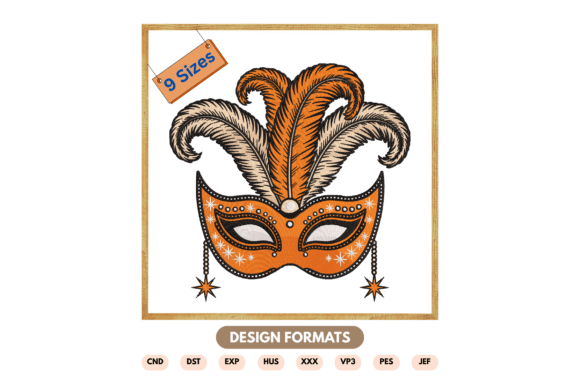
Masquerade Mask Embroidery Design Review
As a professional embroidery designer who has spent years translating digital files into tangible brand assets, I approach every new Masquerade Mask Embroidery Design with a critical eye. For small business owners, Etsy sellers, and merch creators, the difference between a decorative image and a viable commercial product often lies in the details of the digitization. This specific design promises elegance and mystery, featuring a decorative carnival-style mask with detailed feathers, sparkling accents, and ornate flourishes. But does it hold up under the scrutiny of real-world production? Let's dive into how this machine embroidery design performs when applied to branded merchandise, patches, and custom apparel.
First Impressions: Elegance Meets Commercial Viability
The initial visual impact of the Masquerade Mask Embroidery Design is undeniably striking. It leans heavily into a premium, classic aesthetic that immediately suggests high value. The inclusion of detailed feathers and sparkling accents gives the piece a dynamic texture that flat logos often lack. For boutique owners or handmade brands looking to elevate their brand identity, this design offers a sophisticated alternative to standard text-based logos. It feels less like a generic craft project and more like a signature element for a luxury event series, a high-end bakery, or an exclusive membership club.
However, the "sparkling accents" mentioned in the description require immediate attention from a technical standpoint. In the world of commercial embroidery, sparkle often translates to metallic threads or variegated flosses. While visually stunning on a mockup, these elements can be tricky to manage on durable workwear. The ornate nature of the mask suggests a design that demands precision, making it ideal for items where quality is the primary selling point, such as tote bags, aprons, or limited-edition staff uniforms.
Real-World Application for Small Business Merch
When evaluating the Masquerade Mask Embroidery Design for actual business use, versatility is key. Here is how this embroidery file translates across various product categories:
- Embroidered Patches: This is perhaps the strongest application. The intricate details of the feathers and mask contours are perfect for creating high-quality woven or embroidered patches. These can be sold as standalone collectibles or attached to denim jackets, backpacks, and hats for a streetwear vibe.
- Apron Embroidery: For a themed café, florist, or artisanal bakery, placing this design on the chest pocket or bib of a linen apron adds a touch of theatrical flair. It turns a functional garment into a statement piece that enhances the customer experience.
- Cap Embroidery: Placing the mask on the front panel of a baseball cap creates an instant focal point. However, due to the curved surface of a cap, the density of the feather details must be carefully managed to prevent puckering.
- Tote Bag Design: A large-scale version of this design works beautifully on canvas tote bags. The sturdy fabric supports the heavier stitch count required for the ornate details, making it a perfect item for trade show swag or event giveaways.
- Product Packaging Accents: Instead of just printing on boxes, consider attaching a small, embroidered label featuring the mask to high-end gift sets. This tactile element significantly boosts perceived value.
Navigating Technical Challenges and Limitations
While the Masquerade Mask Embroidery Design is visually captivating, experienced decorators know that complexity brings challenges. There are specific scenarios where this design requires careful handling to ensure the finished product meets professional standards.
First, consider the stitch density. The description highlights "detailed feathers" and "ornate" elements. High-density areas can cause fabric to pucker, especially on lightweight materials like silk or thin cotton. If you plan to use this on delicate fabrics, you will need to invest in heavy-duty stabilizer and potentially reduce the thread count in the digitizing process. Always test the design on a scrap piece of your actual fabric texture before committing to a full run.
Second, size matters. Attempting to shrink this design for tiny applications, such as a cuff detail or a very small patch, can result in a muddy appearance. The fine lines of the mask may blur together if the hoop size is too small to accommodate the necessary needle movements. I recommend maintaining a minimum size of 3 to 4 inches to preserve the integrity of the "sparkling accents" and feather textures.
Third, color contrast is crucial. On dark uniforms, the white or light-colored threads used for the mask might bleed through or look dull without a backing layer. Conversely, on light fabrics, the darker outlines need to be bold enough to define the shape against the background. Review the thread colors in your digital embroidery file to ensure they pop against your chosen base material.
Strategic Branding and Customer Engagement
Incorporating the Masquerade Mask Embroidery Design into your product line goes beyond mere decoration; it is a strategic move for brand identity. For businesses operating in the creative sector—such as art studios, costume shops, or event planning agencies—this design communicates a sense of exclusivity and mystery. It invites customers to engage with the brand on a deeper level, suggesting that there is more beneath the surface.
For Etsy sellers and handmade brands, using this design on small business merch can differentiate your products from mass-market competitors. An embroidered tote bag or a custom patch featuring this artwork tells a story of craftsmanship. It signals to the buyer that you care about the details, which builds trust and encourages repeat purchases. Furthermore, creating a printable mockup of this design on various products allows you to showcase potential uses to clients, increasing engagement and conversion rates.
Consistency is also vital. If you choose this design as part of your design assets, ensure it aligns with your overall visual language. Does the carnival style match your logo? Is the level of ornamentation appropriate for your target demographic? A cohesive look across your custom apparel and packaging reinforces professionalism and makes your brand instantly recognizable.
Practical Designer Notes for Production
Before you purchase or produce the Masquerade Mask Embroidery Design, follow these essential steps to ensure a successful outcome:
- Test in Black and White: Start by running a test stitch in a single color to check the flow of the design and identify any potential jump issues or tension problems.
- Verify Licensing: Confirm the commercial licensing terms. Ensure you have the right to use this embroidery file for unlimited business production, especially if you plan to sell the finished goods.
- Check Hoop Requirements: Verify the maximum dimensions to ensure your machine can handle the hoop size needed for the full detail.
- Inspect Spacing: If combining the mask with text, leave adequate spacing. The ornate feathers need room to breathe without tangling with lettering.
- Create Client Mockups: Use software to generate realistic images of the design on your specific products to get client approval before stitching.
- Compare Assets: Place the design next to your other brand elements to ensure visual consistency in style and weight.
The Masquerade Mask Embroidery Design is a powerful tool for businesses ready to add a layer of sophistication to their merchandise. By respecting its technical requirements and leveraging its visual strengths, you can create Accessories and Embroidery projects that not only look beautiful but also drive business growth. Whether it's a staff uniform, a promotional patch, or a unique gift, this design has the potential to become a signature element of your brand.