Pilot Bear Embroidery Design Review
First Impressions: Friendly, Versatile, and Ready for Business
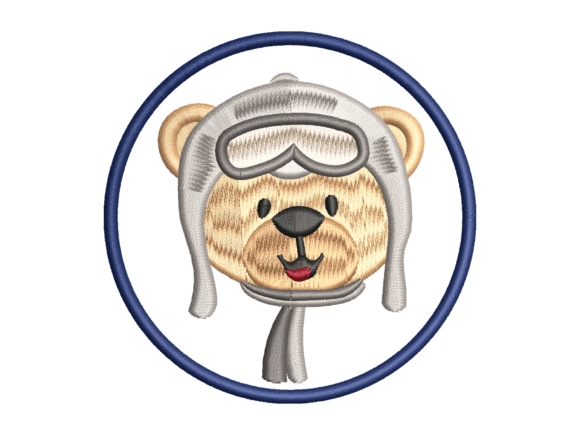
As an embroidery designer with years of experience crafting brand assets for small businesses, the Pilot Bear Embroidery Design immediately caught my eye. The name suggests a playful yet professional aesthetic, and from the product description alone, it’s clear this is a digital embroidery file built for adaptability. With no physical item included, it’s ideal for digital embroidery file buyers looking to integrate a recognizable motif into branded merchandise without the overhead of pre-made patches or prints.
The design feels handmade yet polished—perfect for boutiques, bakeries, local pet brands, and creative studios aiming to add a touch of warmth and approachability to their visual identity. It strikes a balance between whimsy and professionalism, making it a strong contender for small business merch that needs to feel both personable and premium.
Real Business Use: From Caps to Tote Bags and Everything In Between
Let’s get into the practical side of using the Pilot Bear Embroidery Design in commercial embroidery settings. This design has the visual clarity and charm that translates well across a variety of merchandise types:
- Embroidered patches: Its likely bold outlines and balanced stitch density make it a solid choice for patches, especially when used on staff uniforms or as part of a collectible merchandise line.
- Cap embroidery: If the bear motif isn’t too detailed, it could work beautifully on the front or side of a cap. However, as with any design, it’s crucial to test at smaller sizes to ensure clarity on curved surfaces.
- Tote bag design: This is where the Pilot Bear shines. Positioned on the corner or center of a tote, it adds a branded touch that’s both memorable and soft in tone—perfect for boutique packaging or customer gifts.
- Apron embroidery: Whether on the chest or sleeve, this design could serve as a subtle brand accent or a fun focal point, depending on placement and fabric contrast.
- Product packaging accents: When stitched onto small fabric tags or pouches, it adds a handmade presentation that elevates even the simplest product offering.
Where to Use with Caution
While the Pilot Bear Embroidery Design is versatile, it’s not a one-size-fits-all solution. Here are some scenarios where extra care is needed:
- Small patch sizes: If the bear includes intricate details or small facial features, it may not scale down well. Always test at intended size before production.
- Cap fronts and curved surfaces: These can distort the appearance of the design. Use a printable mockup to visualize placement accurately.
- Dark uniforms: Without proper thread color contrast, the bear may blend in. Consider light thread accents or a satin border to lift it visually.
- Frequent-wash items: High stitch density can affect durability. Confirm the design doesn’t sacrifice wear resistance for detail.
- Textured fabric: Some materials like denim or felt may alter how the design appears. Always test on real fabric samples.
Brand Identity Impact: Building Trust Through Visual Consistency
One of the most overlooked aspects of embroidery is its role in shaping brand identity. The Pilot Bear Embroidery Design offers a unique opportunity to create a cohesive, recognizable visual language across your business. Whether used on staff aprons or boutique tote bags, it helps build a sense of familiarity and trust with customers.
Its friendly tone makes it especially effective for businesses that want to convey warmth and authenticity—think local bakeries, family-run shops, or pet brands. When used consistently across different touchpoints, it enhances visual consistency and strengthens brand recall. It also elevates the handmade presentation of your products, giving them a more polished, professional edge.
Practical Notes for Embroidery Designers and Merch Creators
Before committing this design to a production run or client project, here are essential steps every embroidery designer should take:
- Test in black and white first: This helps evaluate the design's contrast and clarity without color distractions.
- Check small patch size compatibility: Zoom in and stitch a sample to ensure the bear remains recognizable at reduced sizes.
- Review thread color contrast: Especially important for dark or patterned fabrics—always consider how thread colors interact with the base material.
- Inspect spacing and stitch density: Overly tight areas can cause puckering, while sparse areas may look unfinished.
- Confirm hoop size: Make sure the design fits within your machine’s capabilities. If hoop size is unknown, test with various hoop templates.
- Use proper stabilizer: This ensures clean stitching, especially on stretchy or textured fabrics.
- Create a mockup for client approval: A printable mockup is invaluable for showing clients how the final product will look.
- Compare with other design assets: Ensure the bear design aligns with your other brand elements like fonts, logos, and color schemes.
- Confirm commercial licensing: Since this is a digital embroidery file, always check the licensing terms before using it for business purposes.
Final Thoughts: A Smart Addition to Your Design Assets
The Pilot Bear Embroidery Design is more than just a cute motif—it’s a strategic branding tool for small businesses looking to add a personal, professional touch to their merchandise. Whether you're creating custom apparel, embroidered patches, or Etsy branding elements, this design offers flexibility, charm, and the kind of visual appeal that resonates with customers.
Just remember: always test thoroughly, review file details, and ensure it aligns with your brand’s visual identity before mass production. With the right approach, the Pilot Bear Embroidery Design can become a signature part of your small business’s look and feel.